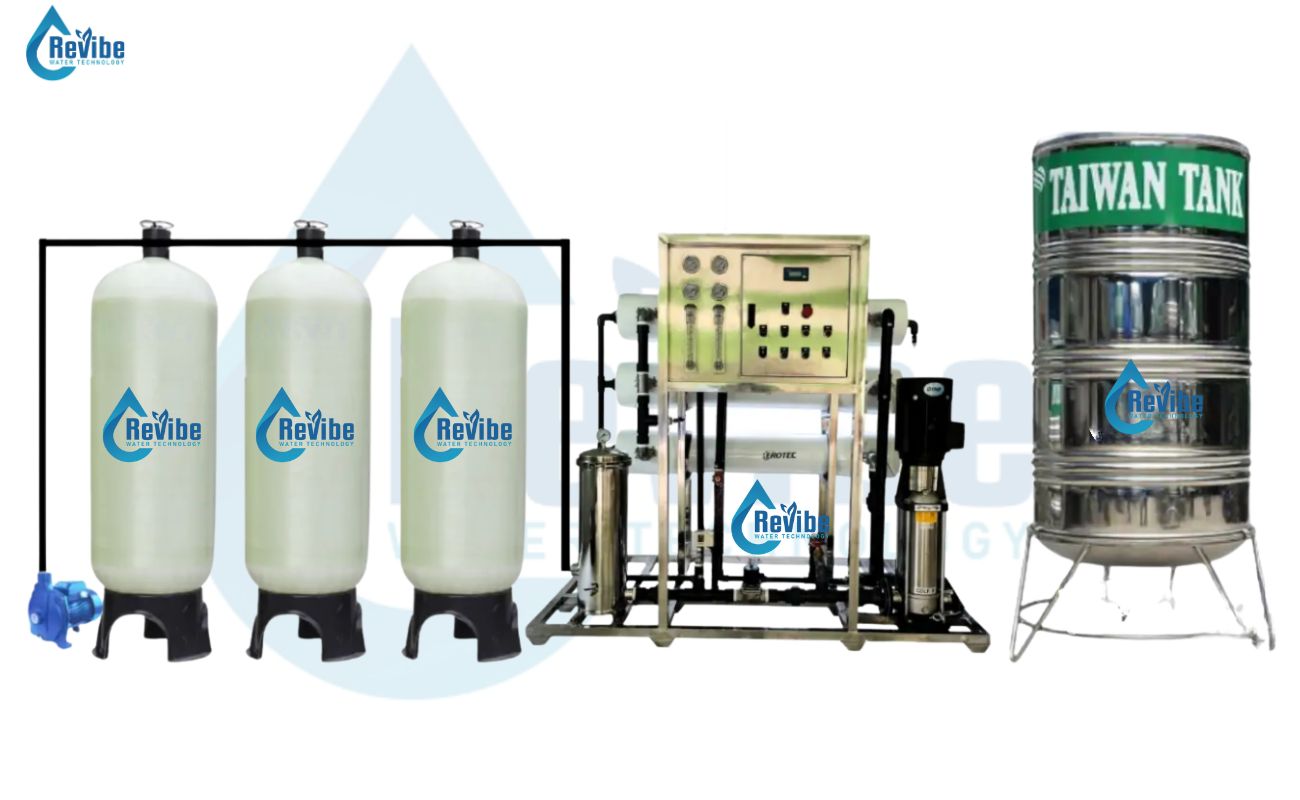
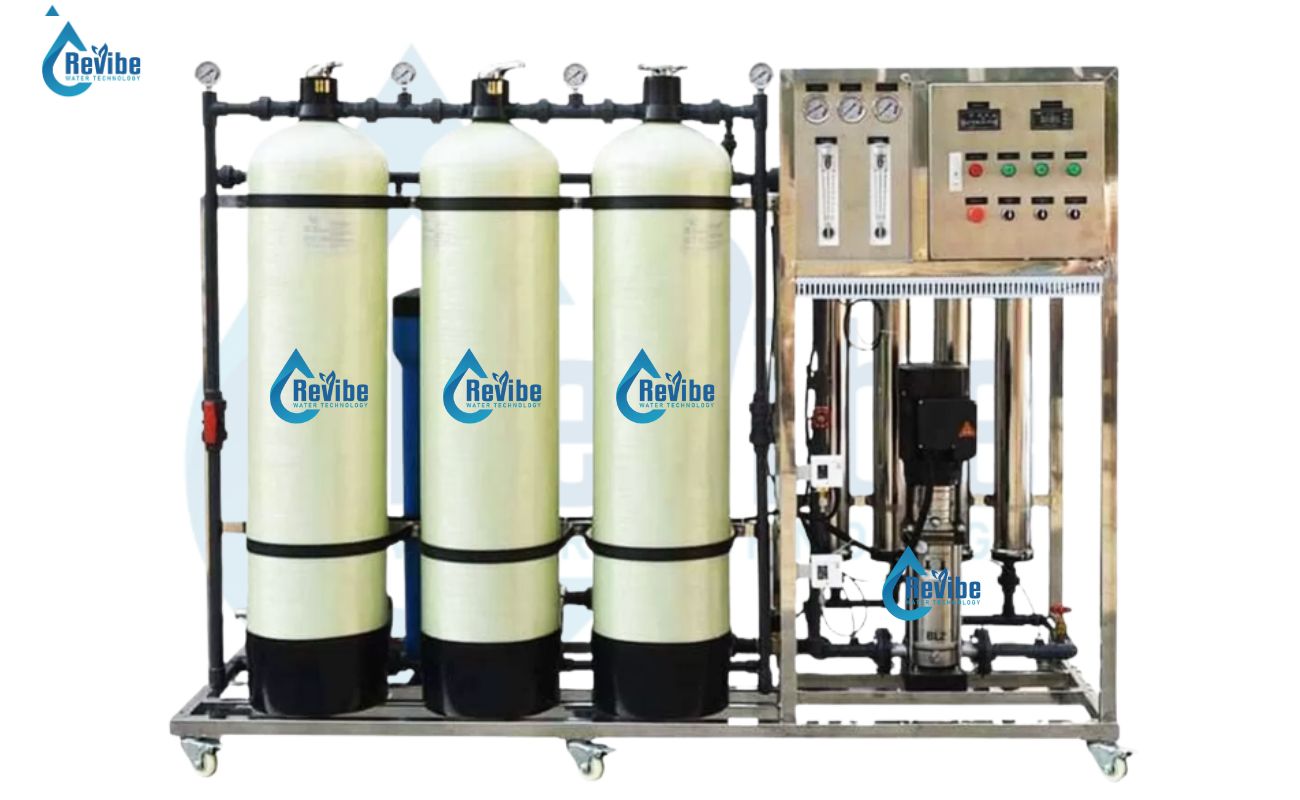
A reverse osmosis (RO) plant is a facility that uses pressure to filter water through a semipermeable membrane, removing pollutants and producing pure water.
How it works
- The RO plant forces water through a semipermeable membrane.
- The membrane separates water molecules from salt ions and other organic molecules.
- The water that passes through the membrane is distilled and re-injected to produce high-quality water.
Uses
- RO plants are used in many industries, including power plants, hospitals, laboratories, and agriculture.
- RO plants can be used to desalinate water, treat wastewater, and concentrate contaminants.
- RO plants can also be used to reclaim dissolved minerals.
What is the basic principle of RO Plant?
Reverse Osmosis (RO) works by reversing the principle of osmosis, the natural tendency of water with dissolved salts to flow through a membrane from lower to higher salt concentration. This process is found throughout nature. Plants use it to absorb water and nutrients from the soil.