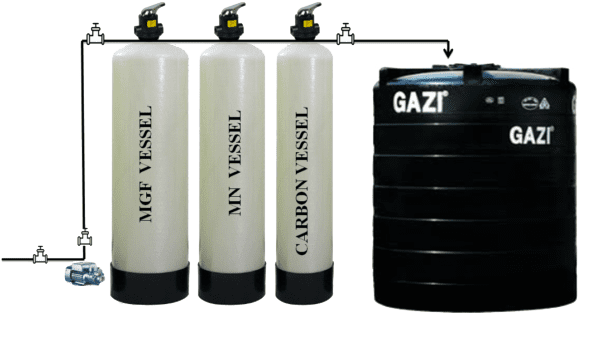
Water Softner
What is soft water?
Water naturally has a variety of minerals such as calcium and magnesium. Whether a water supply is considered “hard” or “soft” depends on how much of these minerals are in your water. Soft water contains lower levels of calcium and/or magnesium than hard water.
Do I need to soften my water?
There is no requirement to soften your water. The decision to soften is a personal choice that can affect your home and the environment. If your water’s hardness is greater than 7 grains per gallon or 120 mg/L, then you might need a water softener to ensure your appliances run well and to improve the taste, smell, or look of your water.
Advantages of home water softening
- Prevents build-up of minerals (scale) on the inside of pipes, fixtures, and hot water heaters.
- Lengthens the life of some appliances.
- Reduces or prevents mineral spots on glassware.
- Prevents or reduces soap films and detergent curds in sinks, bathtubs, and washing machines.
- How do home softeners work?
- Home water softeners, also called ion exchange units, are appliances that remove calcium, magnesium, and other minerals from drinking water. Resin beads inside the softener trap the calcium and magnesium and exchange them for sodium or potassium. Once the resin beads become full of calcium and magnesium, a highly-concentrated salt or potassium solution removes the calcium and magnesium from the beads. After passing through the beads, the resulting chloride solution becomes a waste stream that goes down the drain and ultimately into the environment.
Is water softener good for hair?
- In contrast, soft water penetrates the hair follicle more fully, meaning you get a deeper clean for shinier, silkier hair. Soft water also works more effectively with color-protect shampoo to help your color last longer
- Are you meticulous about skin and hair care? Perhaps you use only the best products money can buy to maintain a bright complexion and keep split ends at bay. However, have you considered how your water quality can affect your hair and skin?
- Utah is known for its hard water, which contains minerals that contribute to a host of hair and skin issues, including dryness, acne, and even eczema. Fortunately, there’s an easy solution to this problem—install whole house water softner plant. Learn more about how this technology works and the many benefits of water softeners.
· How Do Water Softeners Work?
- Groundwater picks up soluble minerals like calcium and magnesium as it flows through soil and over rocks on its way to your home. The more dissolved minerals tap water contains, the “harder” it is.
- Water treatment facilities remove harmful substances from your drinking water to ensure it’s safe when it flows from the tap. Unfortunately, water disinfection techniques don’t remove dissolved minerals, so even clean, safe water can contain significant amounts of calcium and magnesium. That’s where a water softener comes in.
- Water softeners replace calcium and magnesium ions with sodium and potassium ions using a process called ion exchange. First, water flows through a primary tank containing resin beads coated in sodium ions. The negatively charged resin attracts positively charged mineral particles, leaving softened water to flow to your faucets, showerheads, and other plumbing fixtures.
- The water softening resin is regenerated periodically by drawing a brine solution from a second tank into the primary tank. The ion exchange process occurs in reverse, restoring the negative charge to the resin. Positively charged minerals then flow out through the home’s plumbing system.
· Benefits of Water Softeners for Skin and Hair
- There’s no denying it—hard water is harsh on your skin and hair. Consider the benefits you’ll enjoy when you start showering in softened water.
- Cleaner Skin
- Hard water has a detrimental effect on soap, making it less effective and increasing the amount of residue it leaves behind. That’s why soap scum builds up in your tub and on your shower walls when you have hard water. You can’t see it, but this residue lingers on your skin as well, making you feel dry and itchy. On the other hand, soap lathers better and washes away more easily in softened water.
- Softer Skin
- The minerals in hard water sap moisture from your skin, leading to conditions like chronic dry skin and eczema. If you already struggle with these problems, showering in hard water only makes them worse. Conversely, soft water provides a gentle cleaning, leaving natural oils intact so your skin feels naturally softer.
- Clearer Skin
- When hard water dries out and irritates your skin, it increases oil production to counter the effects. Unfortunately, this can lead to acne. Hard water also interacts with your body’s naturally occurring oils, clogging your pores more readily and leading to widespread breakouts. Rest assured that soft water doesn’t strip your skin of its natural oils, promoting clearer skin and fewer breakouts as a result.
- Smoother Hair and Longer-Lasting Color
- As with soap, shampoo doesn’t lather and rinse as effectively when used with hard water. The resulting buildup of shampoo and mineral residue can leave your hair looking dull, brittle, and more difficult to style. And if your hair is dyed, the minerals in hard water make the color fade faster. In contrast, soft water penetrates the hair follicle more fully, meaning you get a deeper clean for shinier, silkier hair. Soft water also works more effectively with color-protect shampoo to help your color last longer.
- Healthier Scalp
- Hard water dries out your scalp, just as it does throughout the rest of your body. This can lead to scalp itch and dandruff-like flakes. By comparison, soft water soothes your scalp to prevent these symptoms.
· Other Benefits of Water Softeners
- While the beauty benefits are undeniable, there are many other reasons to install a water softener in your Utah County home. Here are the additional advantages you can expect:
- Cleaner, Newer-Looking Clothes
- If you’re accustomed to your clothes sagging and turning gray after a few washes, you’ll see a significant difference when you start washing your laundry in soft water. Clothing holds its shape and retains its bright colors longer when unwanted minerals don’t build up in the fibers. You also need less detergent to get the job done, saving you money in the long run.
- Sparkling Clean Dishes
- The white spots that appear on your glasses and silverware are a clear sign of calcium and magnesium in your water. Do away with these unsightly deposits by washing your dishes in softened water. You’ll also save money on detergent because you don’t need as much to get your dishes clean.
- No More Hard Water Stains and Soap Scum
- Your dishes aren’t the only places hard water stains appear. If you’re tired of cleaning white, chalky residue and unsightly soap scum from faucets, tubs, tiles, mirrors, and glass shower doors, a water softener is right for you.
- Longer-Lasting Pipes and Plumbing Appliances
- The mineral residue you see on your dishes and plumbing fixtures also builds up in your pipes and plumbing appliances. Installing a water softener prolongs their lifespan and reduces the need for plumbing repairs.